

I dust off the plastic bin I put away 10 years ago and carefully pry the top open. I stand outside on my balcony because the years of dust cover it.
I gasp when I look inside.
It was the same gasp I took 10 years ago — with a shallow breath — as the tornado rolled over me, hunched in my bedroom closet, my body on top of my then-8-year-old, Isabel. Eyes closed, I braced for its impact just before windows blew out, our furniture was sucked toward the sky and one tall pine tree after another fell. Our neighborhood was pulverized.
The April 27, 2011 tornadoes — the largest tornado outbreak in history — scarred and ravaged our state. They changed the landscape as well as those who call Alabama home. The violent, long-track EF-4 tornado that churned through our Tuscaloosa living room killed 53 people.
We walked away that day; many did not. We are the lucky ones.
On the other side of the storm, things are changed. On today’s anniversary I once again stumble on the dichotomy of sheer joy from survival and numb pain for those we lost. I recognize that we always want to remember while also praying to be able to forget. These feelings are difficult to live with and understand.
I read somewhere that traveling is like coming home a slightly different person than the one who left. I feel the same way about the journey I’ve been on since an EF4 tornado upended my life, just as the earth felt moving below me, a real-world Tilt-A-Whirl as it loosened the foundation of my home.
Yet somehow, this year feels to me a bit more celebratory, like a decade-long bookend to pain. I’m starting to recognize myself again but also, who would I be without that day?
My overriding emotion now is gratitude. The only story I know with any authenticity is my own. I have told it for 10 years. I wrote as I processed. To quote the author Joan Didion, “It was a coping mechanism, it turned out, but I hadn’t planned it that way.”
I wrote to understand. I wrote to simply exist every day. I wrote because, unlike Mother Nature, it was one thing I had control over. I wrote 14 posts over 10 years.
“The most painful state of being,” Søren Kierkegaard said, “ is remembering the future.”
I wrote to remember the future. To dream that we really could rebuild and come back. Yet it seemed impossible at the time. My city — and much of the state — looked like God shook it in a snow globe with no snow.
This year finally feels different: I have made it. I am alive. My daughter is alive. Our community has made it. We are on the other side.
Astronauts have what’s called the Overview Effect. Many have trouble returning to Earth once they have witnessed the tiny fragility of Earth, as it whirls in space with only a paper-thin atmosphere.
I understand part of that gobsmack realization about the fragility of Earth. Mother Nature, in all of her wisdom and fury, put us in our place that day. The tornado shifted my appreciation for the environment and lit a fire within me. We must protect Earth and acknowledge that these mega-disasters are part of climate change. I do not want more people to die.
The 2011 tornado yanked people, plants and animals out of the ground and into the sky with 190-mile-per-hour winds. It flipped SUVs upside down just across from me. Afterward I was scared to venture outside; I was scared of the air around me.
Truth is stronger than fiction so we tell our stories to remember.
Yet this year I am able to — for the first time since it hit our home — look at photos of that mile-wide tornado. It is billowy and fluffy around the edges. Heavenly, almost. If it had swirls of color it could be beautiful art.
To say that we are on the other side is not to discount the problems we will still face. My friend Keli calls this “collective PTSD month” for the state of Alabama and she is not wrong. We need to put mental health front and center. As someone who waited too long to get help for my own PTSD, I worry about the mental health crisis suffered by those in tornado alley, as climate change continues to deliver more catastrophic weather events to our doorsteps.
A decade later we are still broken and also on the mend. The two things coexist just as sun and rain can.
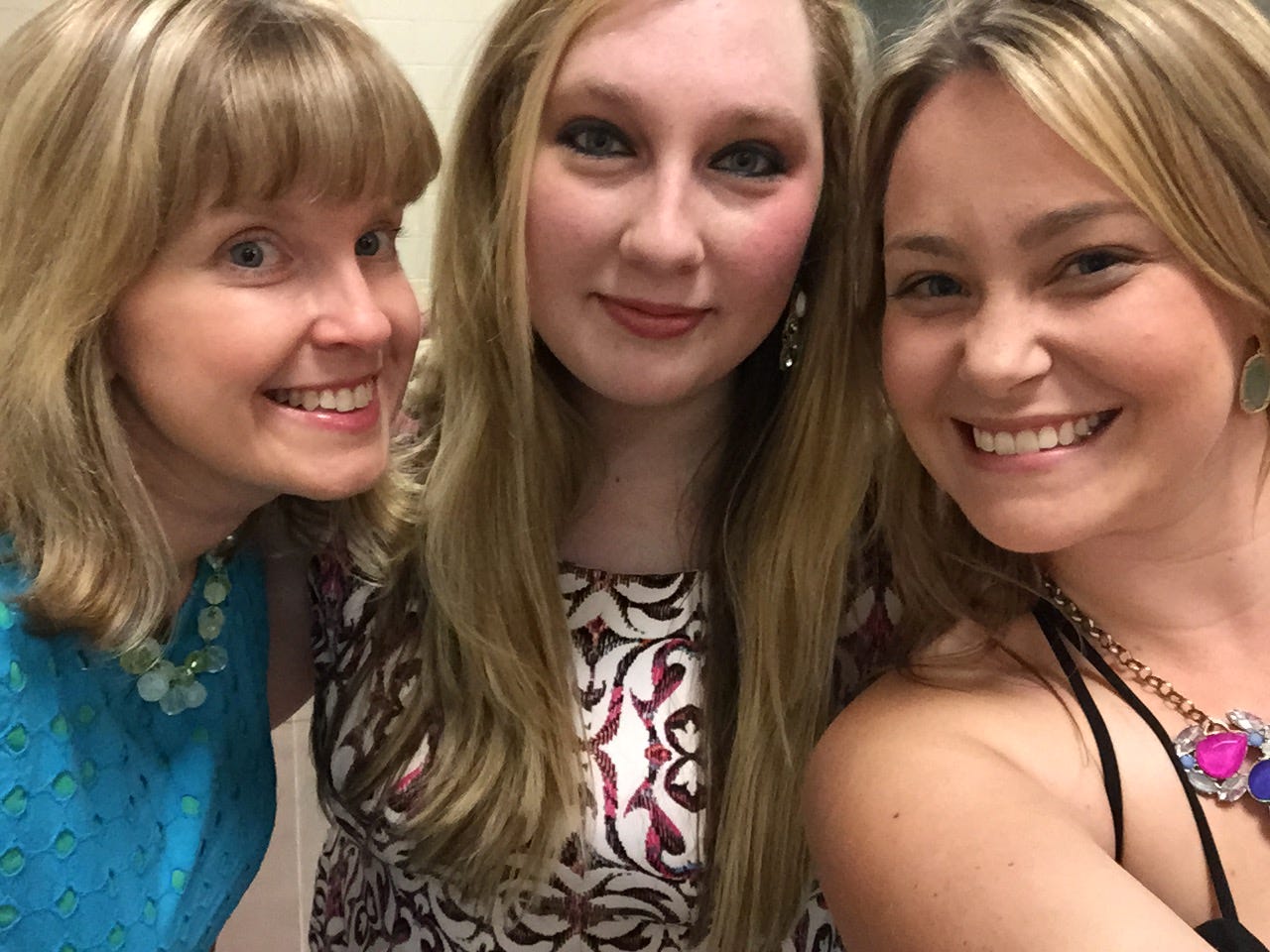
On the other side of the storm I have made “tornado friends,” Chelsea and Cassy and Ashley. They understand when no one else can. I love them fiercely. The tornado spun them into my life and said, “Here is a gift.”
Leaning on other tornado survivors and loved ones of those who died that day has been difficult because of Covid. Before Covid, we could lean in. We could pull our chairs closer and say, “Tell me about your pain. I want to help. I want to listen,” while looking into a person’s eyes.
During the pandemic we’ve been more alone. During the pandemic I’ve asked myself, “What is it you want to do when you’re free again?” I’ve had the same question for 10 years since the tornado. What is it I want to do when I’m free again, from the trauma and fear that day brought and still sometimes brings?
What will I do when I’m free again? I’m starting to finally allow myself to think about that today, on the other side of this decade.
I might know the answer.
My daughter, a tiny 8-year-old when the tornado hovered over our home, is now an adult.
At 18 Isabel is a college junior now. She recently wrote a story for the Crimson White, The University of Alabama college newspaper, about the anniversary of the tornado, which signaled a full-circle moment for us.
When I think about the impact of the storm, I always think of her first. How lucky I am to have had this last decade with her and to watch her be happy in the world.
On the other side of the storm some tangible things are the same: The constant Twitter doomscroll during bad weather; charging batteries; bike helmets in closets tucked on the highest shelf; a whistle and air horn at the ready.

Days ago I opened the dusty plastic bin that contains memories from 10-years ago. I riffled through folders of paperwork from insurance companies and lawyers, newspapers from those days, the neighborhood T-shirts that promised rebuilding and “We are coming back!” I cried tears of gratitude as I re-read every letter every person sent me in the days following, with words of encouragement. Many were from strangers that had also lived through a tornado.
Then, my gasp. I recognized them immediately: There were the clothes we were wearing when the tornado hit. I could not stand to look at them then, even hanging in the closet, because they were a reminder. I also know my need as a journalist to document history.
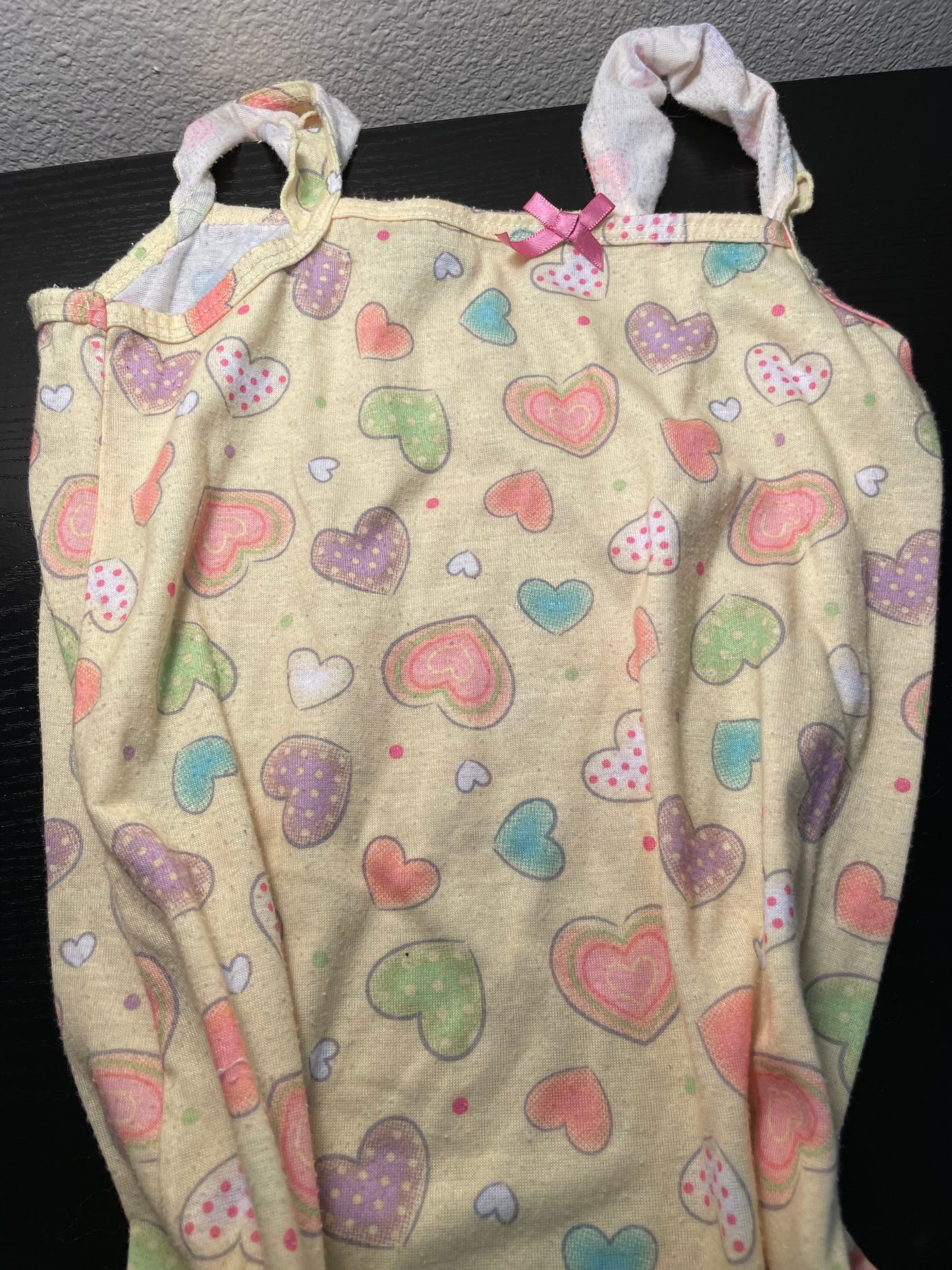
I picked up my daughter’s tiny nightgown she wore that evening — yellow with small, pastel hearts — and it propels my memory back to the night she slept in the basement of a building on campus on a couch. I remember her crying herself to sleep in that yellow nightgown. I remember telling her everything would be OK. I remember not believing it. I remember our fear.
But everything was OK.
Now these clothes feel like interlopers in our new home and new life. I put them away again, packed in the bin perhaps forever this time. I push it aside.
The sun is shining. I sit in a chair outside, surrounded by my cats, who also somehow miraculously survived that day. I take a deep breath, sip a Diet Coke and look over at Isabel, who is lost in thought, reading.
I have these perfect moments with my daughter. They will carry me. These tiny moments — that are not so tiny I have learned — will buttress me against future, difficult moments, like April 27, 2011. She and I have cleared the decade-anniversary hurdle together.
On the other side of the storm, I will celebrate the last decade because today I’ve got a front-row seat to joy.